 Shaurya Times | शौर्य टाइम्स Latest Hindi News Portal
Gurugram : Rakesh led a hectic life, balancing work and family responsibilities, and often neglected his own health in the process. One day, after constant urging from his wife and children, the 48-year-old finally went in for a routine medical check-up. The results left the entire family in shock — the tests revealed a small tumour in his left kidney, located dangerously close to the organ’s blood supply.
However, there was one small consolation — the tumour was detected early and was very small, and doctors suggested that Rakesh undergo a procedure that removed only the tumour, preserving the healthy part of the affected kidney. After all necessary assessments, Rakesh underwent robotic-assisted partial nephrectomy, and within days, he was able to walk comfortably and return home, recovering much faster than expected.
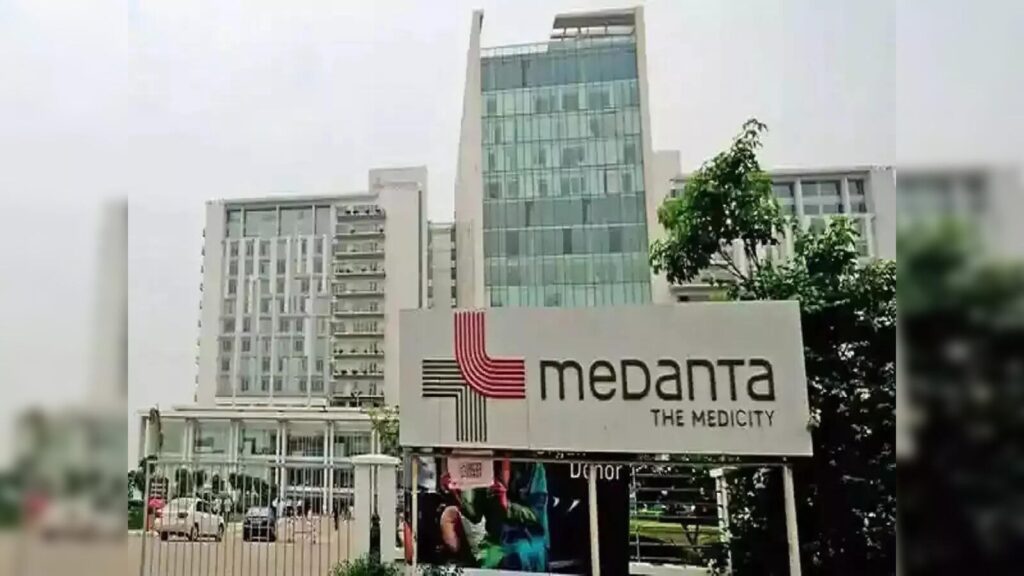
Thanks to advancements in medical technology, the highly experienced specialists at Gurugram-based Medanta- The Medicity, named India’s Best Hospital by Newsweek in 2026, use robotic systems to perform a wide range of complex procedures, including kidney surgeries.
Kidney cancer, also known as renal cell carcinoma (RCC), is among the ten most common cancers in India, with around 16,000–18,000 new cases diagnosed every year. Depending on the size and location of the tumour, doctors may either remove the entire affected kidney (radical nephrectomy) or remove only the tumour while preserving the healthy part of the kidney (partial nephrectomy).
Dr. Puneet Ahluwalia, Senior Director & HOD, Uro-Oncology & Robotic Surgery at Medanta Gurugram said, “Many patients panic when they hear they have a kidney tumour because they assume the entire kidney will have to be removed. But with modern robotic surgery, that is no longer always necessary. Robotic technology gives us better precision and control, and in many cases, we can remove only the tumour and save the remaining healthy kidney. This is extremely important because preserving kidney function helps patients maintain better kidney function and lowers the risk of future health complications, including high blood pressure, heart problems, and the possible need for dialysis later in life.”
The robotic system uses tiny, highly flexible instruments that replicate the movement of the human hand with far greater precision and steadiness. Fully controlled by the surgeon, these robotic arms allow doctors to operate in delicate and hard-to-reach areas with enhanced accuracy. The technology also provides a magnified 3D view of the surgical area, helping surgeons see even the smallest details more clearly and perform procedures with greater safety.
Compared to traditional open surgery, robotic surgery offers several advantages. Patients usually experience less pain, less blood loss, smaller scars, shorter hospital stays, and faster recovery. Many patients are able to walk within a day after surgery and gradually return to normal activities within a few weeks.
Dr. Ahluwalia also stressed on the importance of recovery care after surgery. He said, “Patients should drink enough water, eat nutritious meals, avoid smoking and alcohol, and slowly increase physical activity as advised by their doctors. Heavy lifting and strenuous exercise should be avoided for several weeks to allow proper healing.”
He also advised people not to ignore symptoms such as blood in urine, persistent back or side pain, unexplained weight loss, unusual tiredness, or recurring fever, as these may sometimes be warning signs of kidney disease or kidney cancer.